March 26, 2026
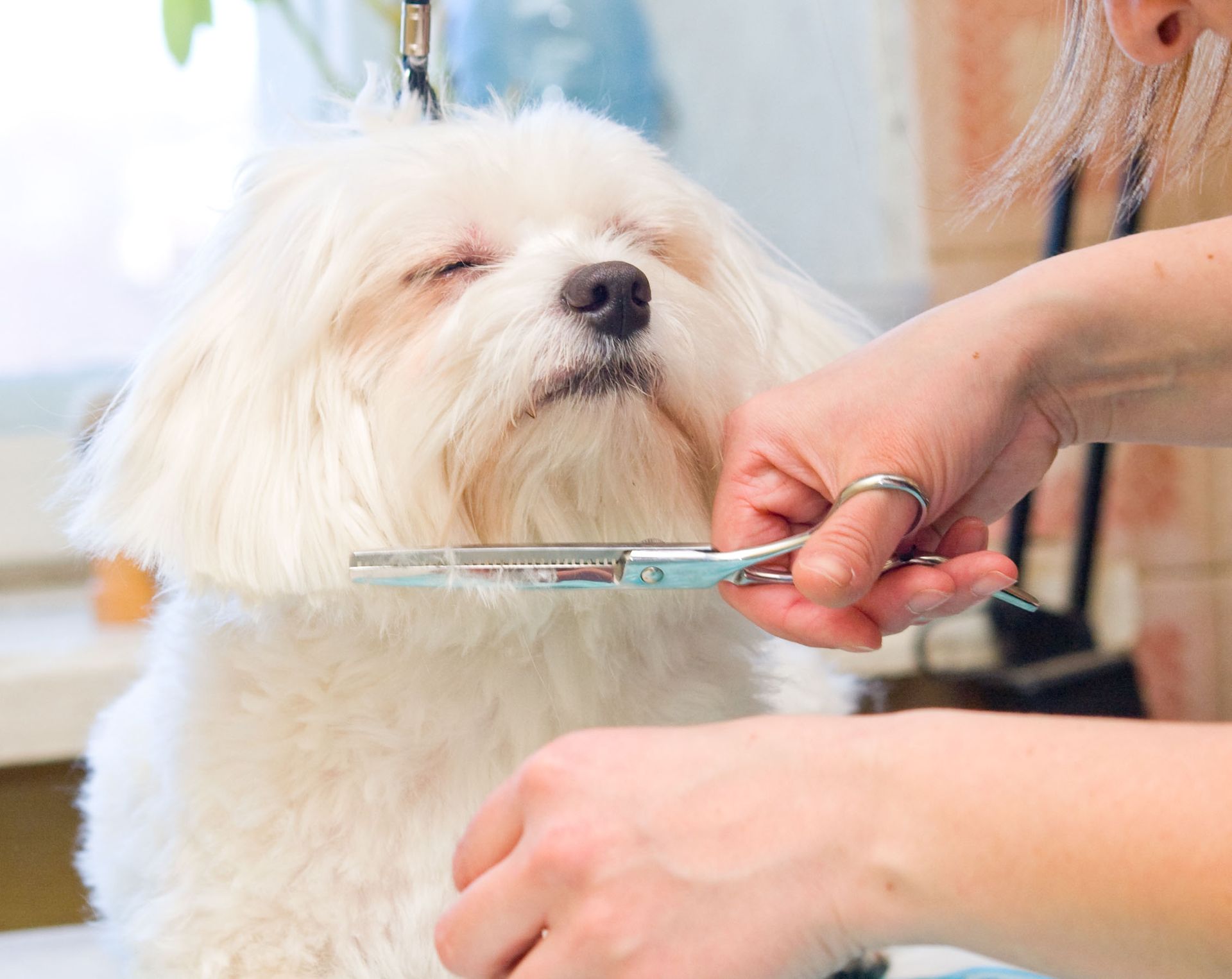
The health of a pet's skin and coat is a vital aspect of their overall well-being, often overlooked by many pet owners. Regular animal grooming is an essential practice that helps maintain not only the coat's appearance but also prevents various skin issues from emerging. By implementing consistent grooming routines, pet owners can ensure that their animals remain happy, healthy, and free from painful conditions that often necessitate veterinary attention. Grooming is not just about aesthetics; it plays a crucial role in monitoring the animal's health and providing a nurturing environment that fosters their overall happiness. Whether it is routine brushing or the occasional professional grooming session, these practices foster a preventive care environment that significantly benefits pets' health.
Brush Away Skin and Coat Problems
Removing Dead Hair and Preventing Mats
Brushing is a fundamental animal grooming practice that serves as the first line of defense against numerous skin and coat issues. By regularly brushing, pet owners effectively remove dead hair, dirt, and debris from the animal's coat, preventing tangling and matting. Mats, if left unchecked, can lead to skin irritation and infections as they trap moisture and bacteria. Regular brushing sessions not only maintain a healthy coat but also improve blood circulation, enhancing the shine and texture of the fur. A well-maintained coat is less likely to harbor pests and reduces the likelihood of emergency veterinary treatments due to skin complications.
Stimulating Natural Oils
One of the overlooked benefits of regular brushing is its ability to stimulate the production and distribution of natural oils in the animal's skin. These oils play a crucial role in maintaining the coat's health, contributing to its natural sheen and protecting against environmental factors. Brushing helps evenly distribute these oils, removing excess buildup from certain areas while ensuring other parts receive adequate lubrication. This balanced distribution fosters a softer, shinier coat and a cleaner, healthier skin environment. Regular animal grooming practices that promote oil distribution not only enhance the appearance of the coat but also prevent common skin issues associated with uneven oil levels.
Reducing Shedding
Excessive shedding is a common issue that pet owners face, often leading to frustration and increased cleaning efforts. Brushing effectively reduces shedding by removing loose hair before it can accumulate indoors. Different breeds have varying shedding patterns, so owners should tailor their brushing techniques to their pet's specific needs. Regular brushing sessions ensure that loose hair is kept under control, decreasing the chance of hair matting or ingestion. By managing shedding through consistent grooming, pet owners create a cleaner home environment while minimizing the potential for skin irritations caused by overgrown or clingy hair.
Early Detection of Skin Issues
Brushing provides pet owners with a valuable opportunity to spot potential skin issues early, preventing them from developing into more serious conditions. During grooming sessions, owners can check for abnormalities, such as lumps, bumps, rashes, or parasites, that may require veterinary attention. Early detection is crucial in addressing skin problems before they escalate, potentially preventing painful conditions and costly treatments. Regular grooming allows for continuous monitoring of the pet's health, ensuring prompt intervention when necessary. According to CNBC, approximately one in three pets will need emergency veterinary treatment every year, reinforcing the importance of proactive care.
The Role of Bathing in Skin Health
Choosing the Right Bathing Products
Selecting appropriate bathing products is a crucial aspect of maintaining an animal's skin and coat health. Pet owners must choose shampoos and conditioners formulated for animals, as human products can be too harsh and disruptive to their skin's natural pH balance. Products should be selected based on the pet's specific skin and coat needs, such as hypoallergenic options for sensitive skin or moisturizing formulas for dry coats. Natural ingredients and pH-balancing properties promote gentle cleansing, reducing the risk of irritation and allergic reactions. By making informed choices, pet owners ensure that every bath contributes positively to their pet's health and appearance.
Benefits of Regular Bathing
Regular bathing is an essential part of grooming that helps animals maintain clean, healthy skin and fur. Bathing removes dirt, allergens, and parasites, while also keeping the coat free from excessive oil buildup. It is vital, however, to balance the frequency of baths to avoid stripping the skin of its natural oils, which can lead to dryness and irritation. The right bathing schedule varies with each pet, influenced by factors such as their activity level, environment, and coat type. Through regular bathing, pets not only look and smell better but also enjoy reduced risks of skin infections and improved overall health.
Addressing Common Bath-Time Challenges
Bathing can pose challenges for both pets and their owners, often because animals may feel uneasy or stressed by the experience. Common concerns include water phobia, reluctance to enter the bath area, and difficulty in rinsing and drying thick coats. Understanding the pet's behavior and preferences can help overcome these challenges, creating a more positive bathing experience. Techniques such as using non-slip mats, engaging in gentle talk, or introducing toys can help reduce anxiety and make bath time more manageable. Overcoming bath-time challenges is vital for ensuring that pets receive the frequent bathing needed for their health and well-being.
Drying Techniques and Their Importance
Effective drying is a critical step post-bath to prevent complications such as skin irritation and fungal growth. Pat-drying with a towel should be done carefully to remove excess moisture, followed by using a low-heat blow dryer if the pet tolerates it. Proper ventilation during the drying process ensures that moisture does not remain trapped in dense fur, where it can lead to infection or discomfort. Owners should be attentive to the pet's reaction during drying, adjusting the distance and heat level as needed to maintain comfort. Proper drying techniques complement the bathing process, ensuring that the coat remains healthy and the skin is free from irritation.
Nail and Paw Care
Importance of Regular Nail Trimming
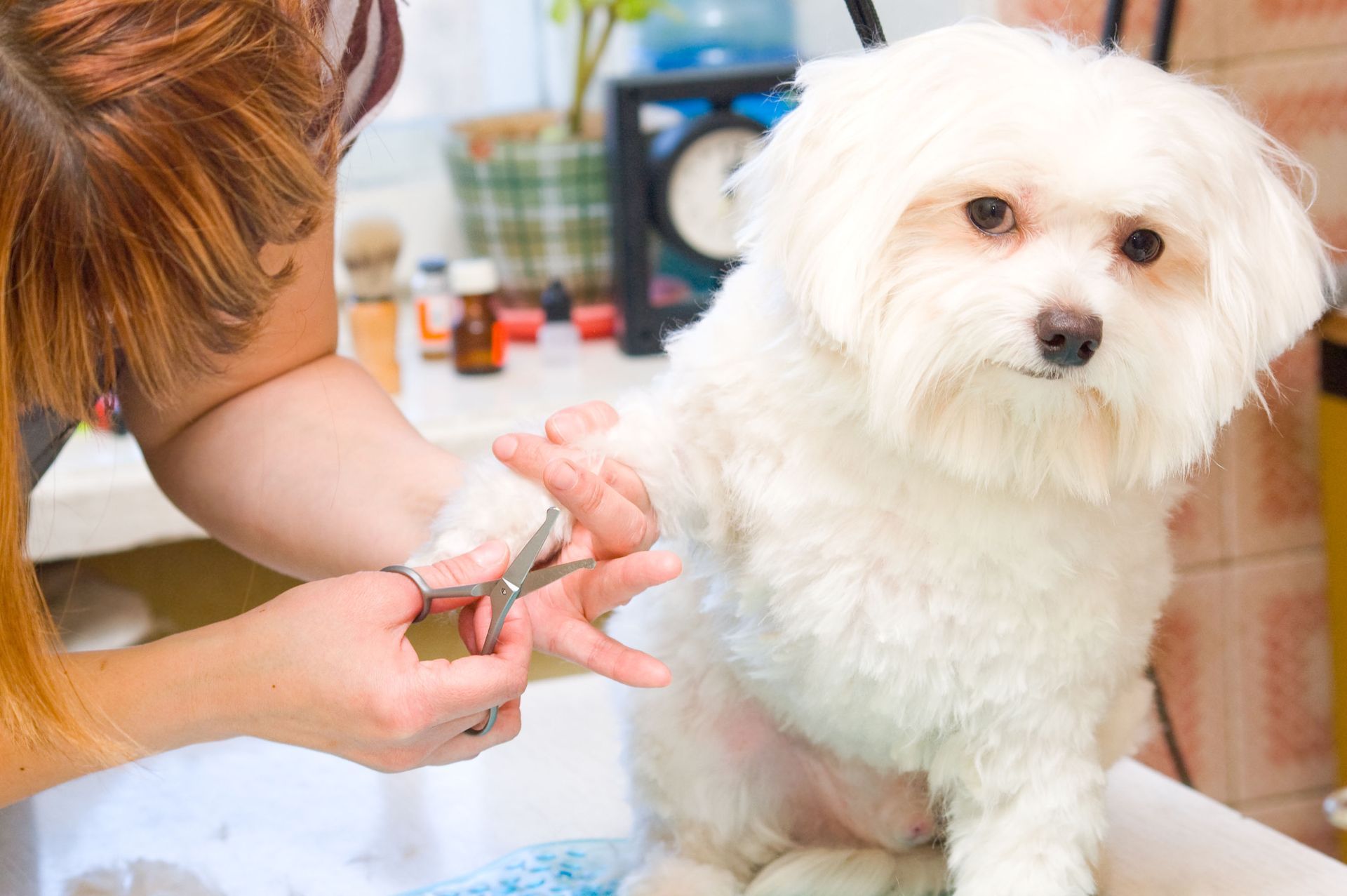
Regular nail trimming is a vital component of animal grooming that directly influences a pet's health and mobility. Overgrown nails can cause discomfort, pain, and even lead to injury if they become ingrown or split. By maintaining the correct nail length, pet owners ensure that their animals' paws remain healthy and free from complications that might require veterinary care. Trimming should be done carefully, utilizing appropriate clippers or grinders to avoid cutting the quick and causing pain. Regular nail care not only prevents health issues but also contributes to a pet's comfort and ability to engage in their daily activities.
Preventing Nail-Related Injuries
Nail-related injuries can be painful and can easily escalate into more severe health problems if left unchecked. Overgrown nails can snag on objects, causing tears that can lead to infections or necessitate emergency care. Regular examination and consistent trimming significantly reduce these risks, preventing costly and distressing visits to the veterinarian. Owners should also be mindful of the length and condition of dewclaws, which are often overlooked but can cause similar complications. By adopting a proactive approach to nail care, pet owners help prevent injuries, maintain their pets' health, and avoid unnecessary suffering.
Understanding Paw Pad Health
The condition of a pet's paw pads is another significant aspect that requires regular grooming attention. Paw pads can become cracked, rough, or irritated due to environmental factors like hot pavement, ice, or allergens, and should be softened with regular treatments. Applying protective balms that moisturize and soothe the pads is an effective way to prevent and heal damage. Regular inspection allows owners to spot any foreign objects, wounds, or signs of infection that might necessitate veterinary attention. Proper paw pad care is essential for sustaining a pet's mobility and comfort, ensuring their paws remain healthy and resilient.
Ultimately, animal grooming is far more than a cosmetic routine—it is a key part of preventive care that contributes to a healthier, happier pet. Whether performed at home or with the help of a professional, consistent animal grooming habits create a strong foundation for long-term health. With a thoughtful and proactive approach, pet owners can support their animals in staying comfortable, active, and thriving for years to come. Reach out to Noah’s Ark Veterinary & Boarding Resort today for help caring for your fur baby.